 UnedPod
Buying a used shipping container for a home: an inspection checklist
A used container can be a sound base for a home, or a box of problems that costs more to repair than a new one. The difference is in the inspection. Photos from a seller rarely show what matters, so plan to see the container in person, in daylight, with the doors open.
New, one-trip or used
- New and one-trip. Made for a single load and then sold. Straight walls, little rust, original paint.
- Used (cargo-worthy). Retired from shipping but still fit to carry cargo. Dents and surface rust are normal.
- Wind and watertight. Keeps out rain and wind but is no longer certified for shipping. Wear varies a lot.
- As is. Sold without any promise. Fine for storage, risky for a home.
Grades are not standardised between sellers. Ask exactly what the seller means by each term and get it in writing.
Read the CSC plate and the markings
On the left door of most containers there is a metal CSC safety approval plate. It shows the manufacturer, the date of manufacture, the maximum gross weight and the stacking load. The container number on the door and roof identifies the box. Check that the numbers match and that the plate is present. A missing plate is not a deal-breaker for a home, but it means less information about age and history.
Check the height marking too. High Cube containers are 2.90 m (9 ft 6 in) tall and usually carry yellow-and-black hazard stripes along the top. For a home, High Cube is the better choice — see container dimensions.
Rust and the steel shell
Surface rust is normal and can be cleaned and painted. Rust that has gone through the steel is not. Walk around the box and look at:
- The roof. Water pools in dents on top. Climb up or use a ladder; this is where holes start.
- The bottom rails and cross members. Look underneath for flaking, swollen steel.
- Corner posts and castings. They carry the load. Cracks or heavy corrosion here are serious.
- Door frame and sill. A common spot for trapped water.
Inside, close the doors on a sunny day. Any spot of light is a hole.
Dents, doors and seals
Small dents in the corrugated walls are cosmetic. A bent corner post, a twisted frame or a roof sagging in the middle is structural. Open and close both doors: they should swing and lock without force. Check the rubber gaskets for cracks. A box whose doors do not close is often racked out of square.
The floor: treated plywood
Most container floors are thick hardwood plywood. To protect it from insects in transit, the floor is often treated with pesticides, and spills from past cargo may have soaked in. For a home this matters:
- Ask the seller about the floor treatment and the cargo history, if known.
- Look for stains, soft spots and smells.
- Common options are to remove the plywood and lay a new floor, or to seal it with a suitable coating and build the new floor on top.
Check the safe approach with a local specialist; do not sand the old floor without protection.
Paint and coatings
Older containers may have coatings that you would not want to sand or burn when cutting openings. Use protection when grinding and cutting, and ask a specialist if you are unsure what the paint contains.
Plan before you buy
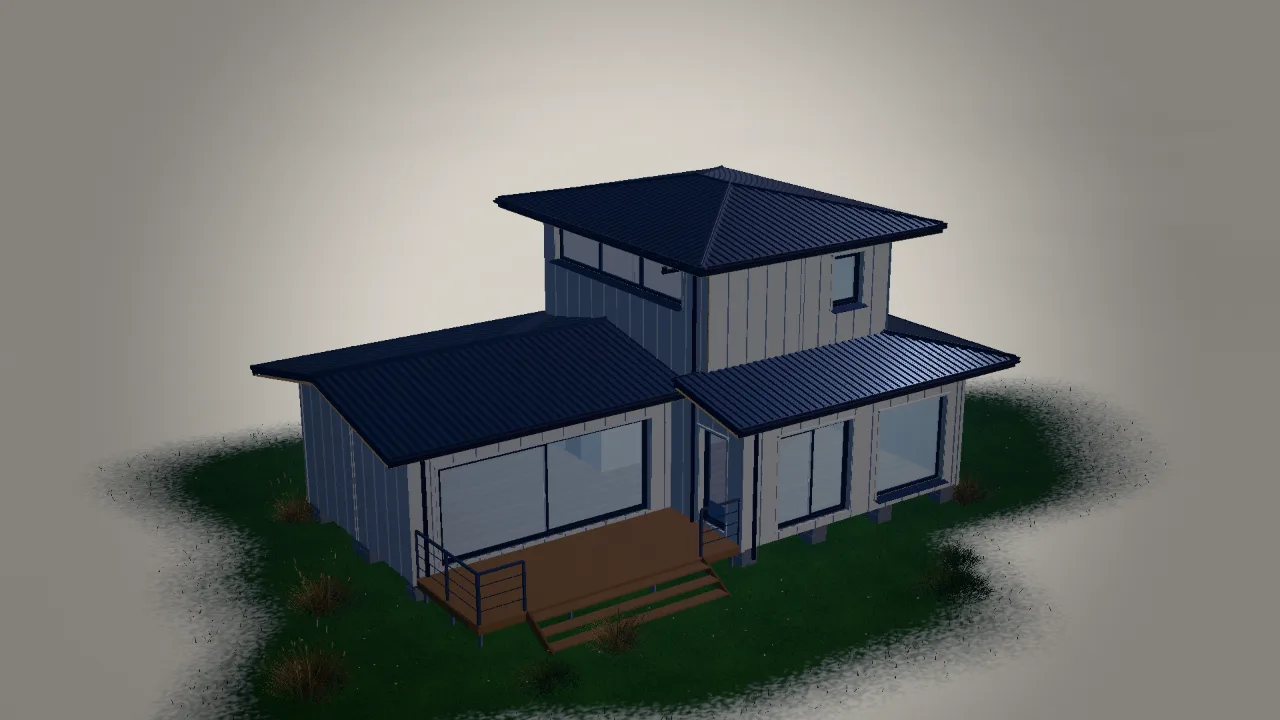
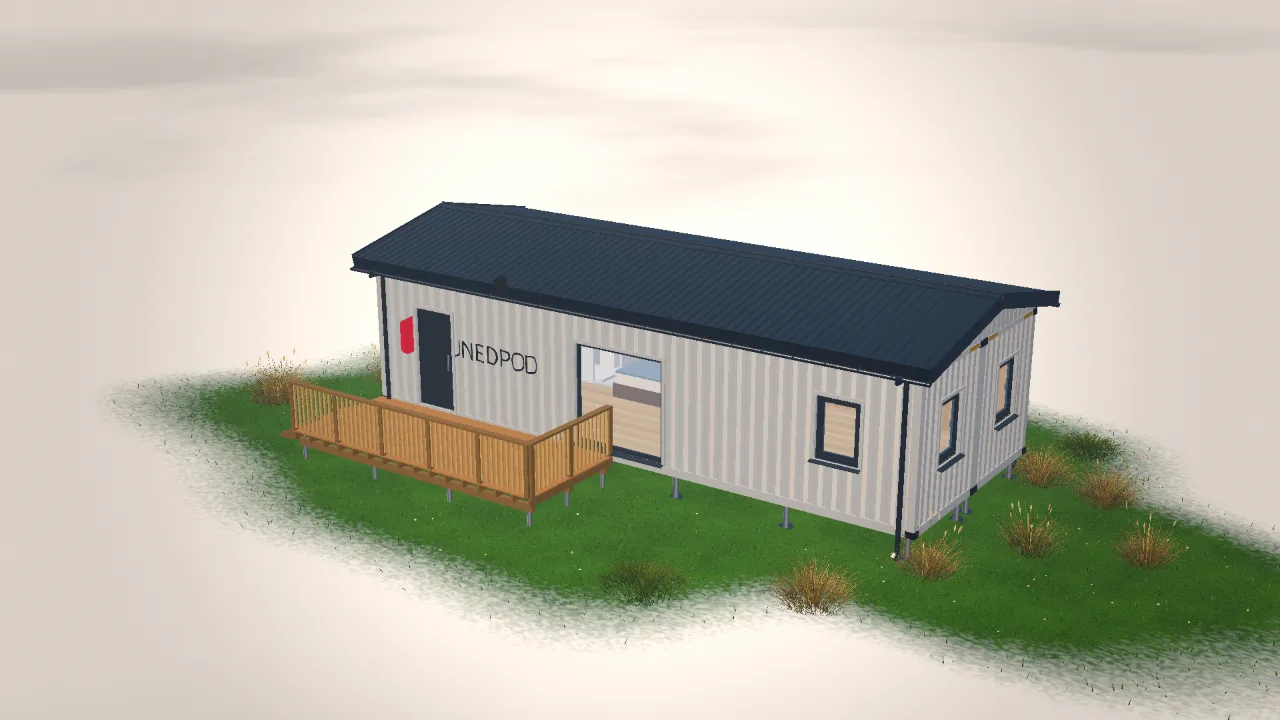
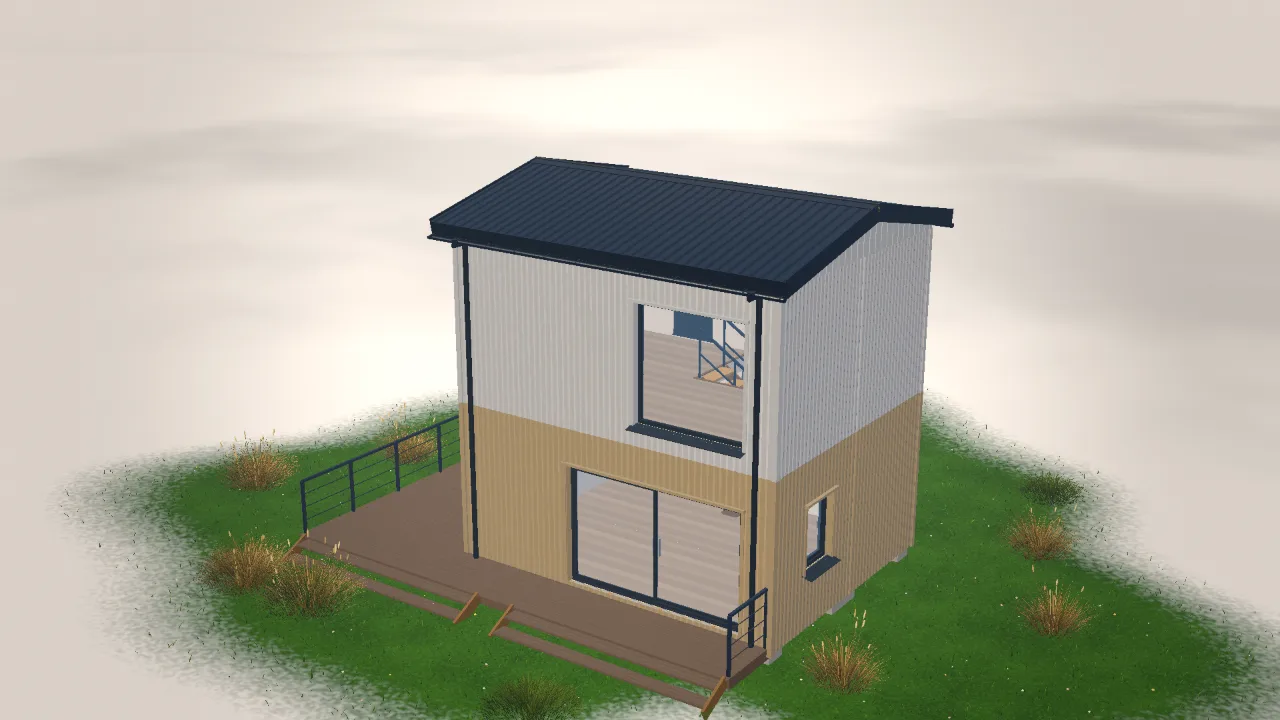
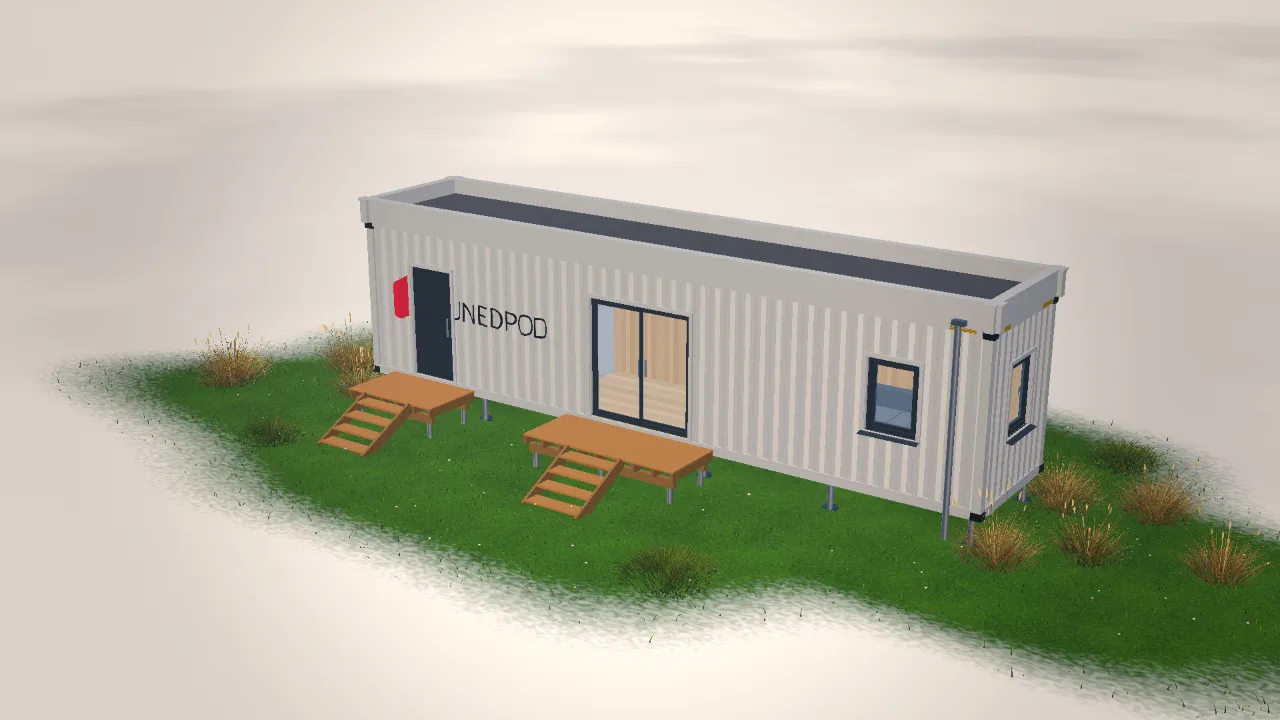
Decide how many containers you need, which sizes and where the openings go before you visit the yard. In the UnedPod configurator you can lay out 20ft, 40ft HC and 45ft HC boxes in 3D, add windows and doors and see the detailed materials estimate. Then you know which boxes to look for. Next, read about cutting openings in a container.