 UnedPod
Shipping container delivery and placement: trucks, cranes, setup
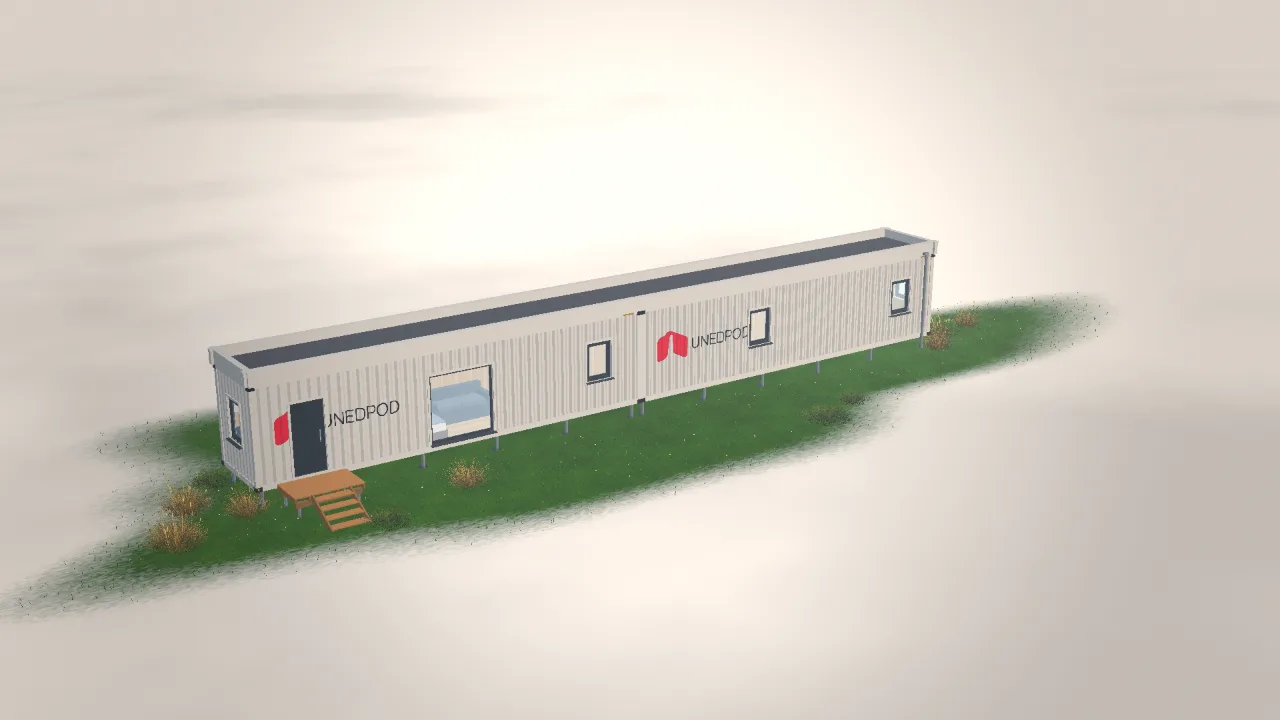
Delivery is the moment when a container home meets reality. A 40ft box is over 12 metres long and weighs several tonnes empty, and it has to arrive on a truck, be lifted and land on a foundation within a few centimetres. Most problems on delivery day come from things that could have been checked weeks before.
Weights and sizes to plan for
| Type | Length | Typical empty weight |
|---|---|---|
| 20ft standard | 6.06 m (20 ft) | ≈ 2.2–2.4 t |
| 40ft High Cube | 12.19 m (40 ft) | ≈ 3.8–4.0 t |
| 45ft High Cube | 13.72 m (45 ft) | ≈ 4.6–4.9 t |
The exact tare weight is printed on the container doors and on the CSC plate. A converted module with insulation, windows and finishes weighs more, so tell the crane operator the real weight, not the tare. See shipping container dimensions for the full size table.
Check the access
- Road width and turns. A truck carrying a 40ft container is long. Tight corners, narrow gates and soft verges stop deliveries.
- Ground. After rain, a heavy truck can sink on an unpaved track. A temporary gravel road may be needed.
- Height. Power lines, tree branches and bridges limit the height of the load and of the crane boom.
- Slope. Steep driveways are a problem for long trailers.
- Space to set up. A crane needs firm, level ground near the foundation and room for its outriggers.
Walk the route from the public road to the foundation, measure it, and send photos to the transport company.
How the container comes off the truck
- Tilt-bed trailer. The bed tilts and the container slides off at the back. Simple, but it needs a long straight run and places the box close to ground level, not onto raised piers.
- Truck with a loader crane. Lifts the container from its own trailer. Practical for 20ft units and moderate distances.
- Side-lifter. A trailer with two lifting arms that sets the container down beside the truck.
- Mobile crane. The most flexible option: lifts over fences, places modules on a second floor, works where the truck cannot reach the foundation.
Lifting safely
Containers are lifted by the four top corner castings, with proper twist-lock or hook fittings and slings at the correct angle, or with a spreader frame. Never lift by the roof panel or side rails.
Cutting large openings or removing long walls weakens the box. Before lifting a modified container, brace the openings with temporary steel members. Keep people clear of the load while it is in the air.
Prepare the foundation
- Have piles or piers finished and level before the truck arrives.
- Check the corner positions with a tape and compare both diagonals: if they match, the layout is square.
- Mark the outline of each container on the supports.
- Have steel shims, fixing plates and welding or bolting gear ready.
Our guide to the container home foundation explains spacing and height.
On the day
- Confirm the weather: strong wind can stop crane work.
- Place the first container, check level and position, then fix it.
- Set the next ones against it and close the gaps between modules.
- Seal the joints between containers against water and draughts.
Closing a road or using a crane in a public space may need a permit. Check with your local authority.
Plan it in the UnedPod configurator
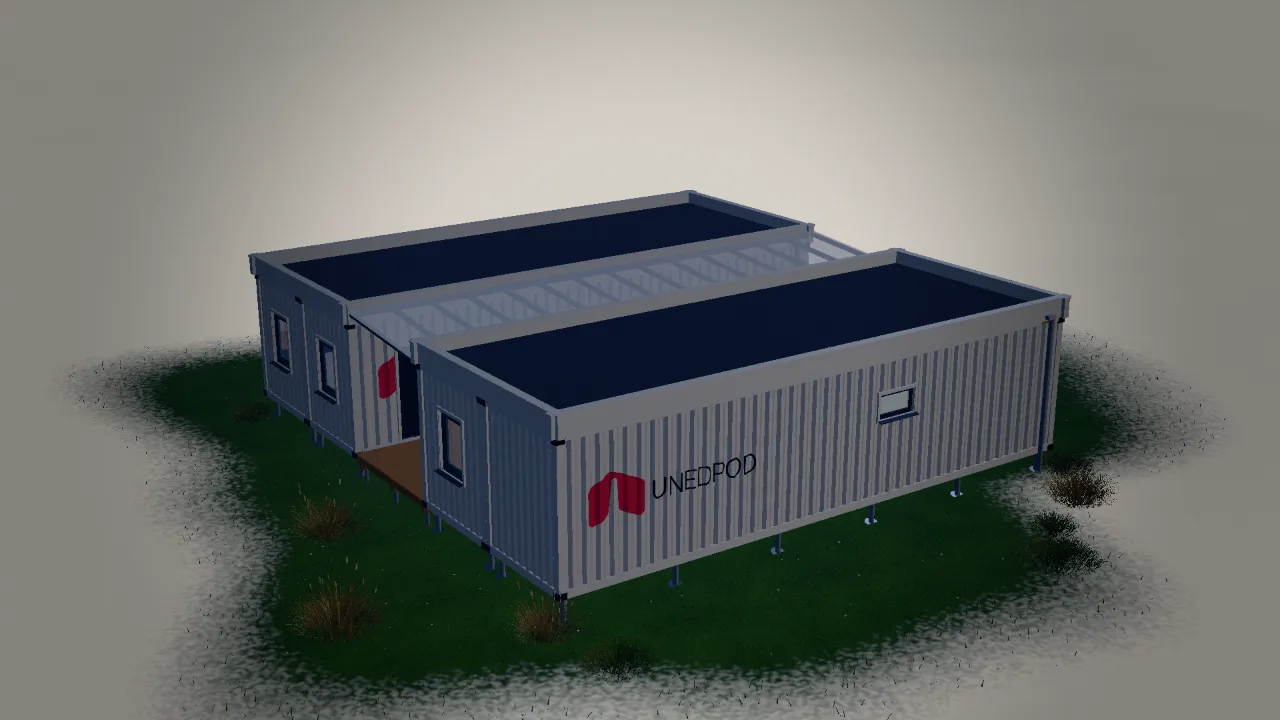
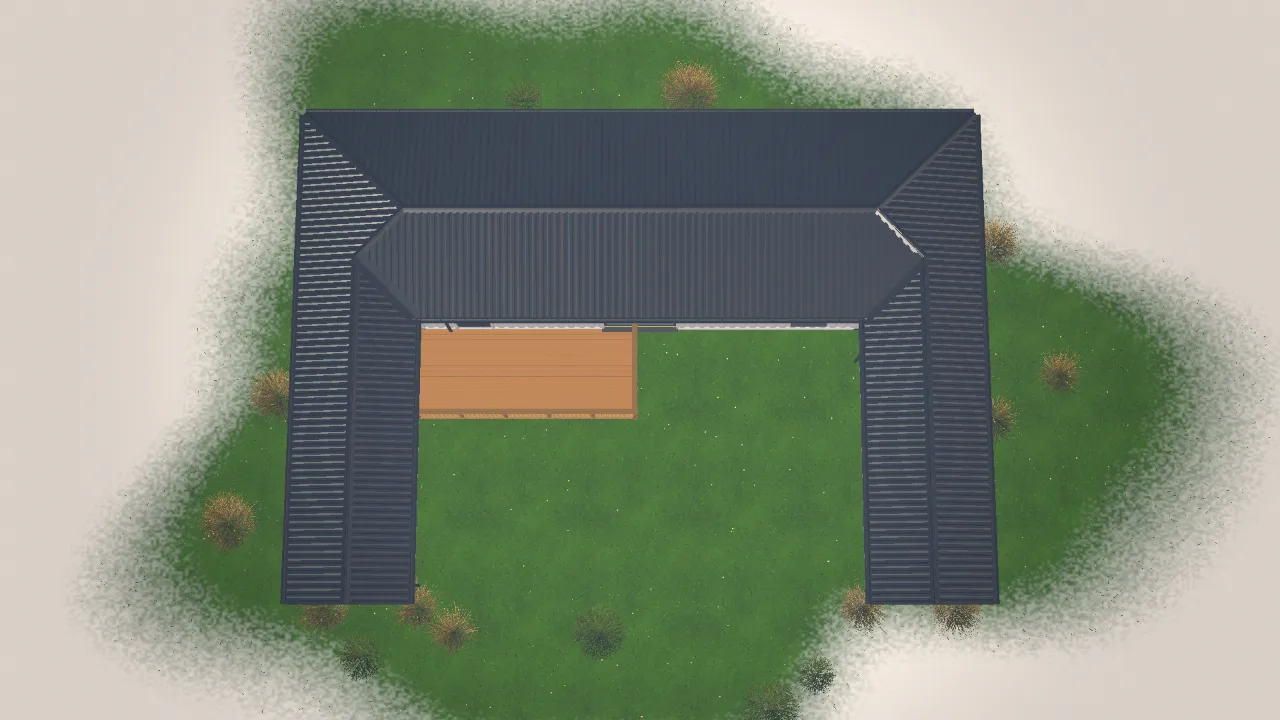
In the UnedPod configurator you lay out 20ft, 40ft HC and 45ft HC containers, see the house on a 2D plan with dimensions, and choose the foundation — piles or piers, spacing and rows. The PDF includes a support plan with the position of every pile, plans and elevations, so the crew and the crane operator see the same layout before delivery day.