 UnedPod
Zoning rules for container homes: what to check on a lot
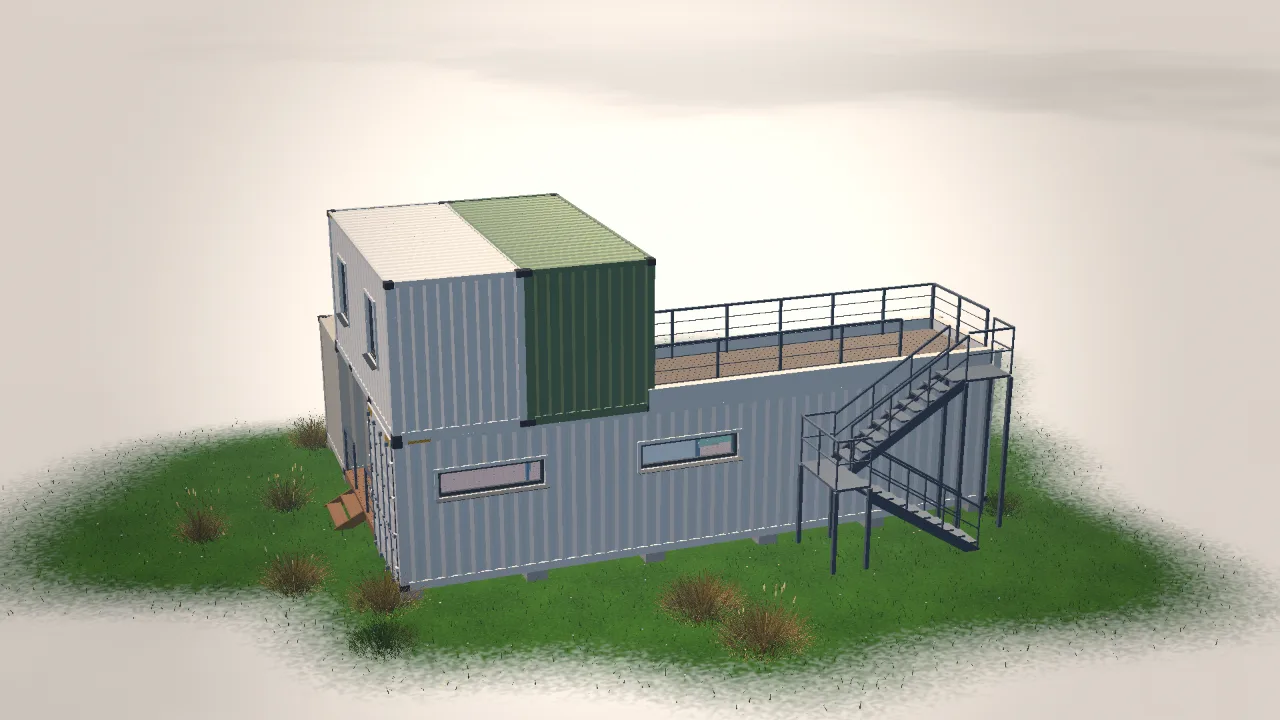
Zoning is the first filter for any home, and it is especially important for a container house, because many zones were written with conventional houses in mind.
What zoning controls
- Permitted use. Single-family, accessory dwelling, or only a studio or office.
- Minimum floor area. Some zones require a house to be larger than a single container.
- Setbacks. The distance from the boundaries, the road and any water.
- Height and roof rules. Maximum height and sometimes roof pitch or colour.
- Exterior materials. Some areas require a specific cladding or appearance.
Try it in 3DOpen this house in the free configurator — change it and get the estimate and drawings.
Open in 3D →How to check
Ask the planning department for the zoning code and the lot's zone designation. Read the sections on dwellings and accessory structures. Ask a planner, in writing, whether a container home is allowed.
If the zone says no
You may still build an accessory structure, such as an office or guest house, or request a variance. Both routes take time, so plan them before you buy the land.
The setback guide covers the distance rules in more detail, and the UnedPod configurator lets you place the house on a plot and check the footprint.